Gastric Sleeve Surgery
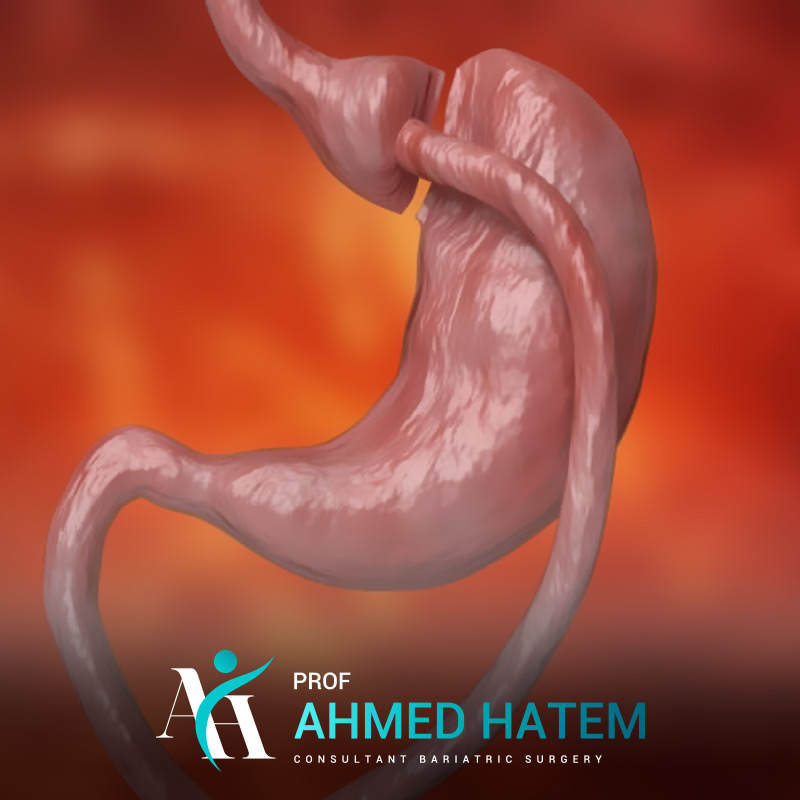
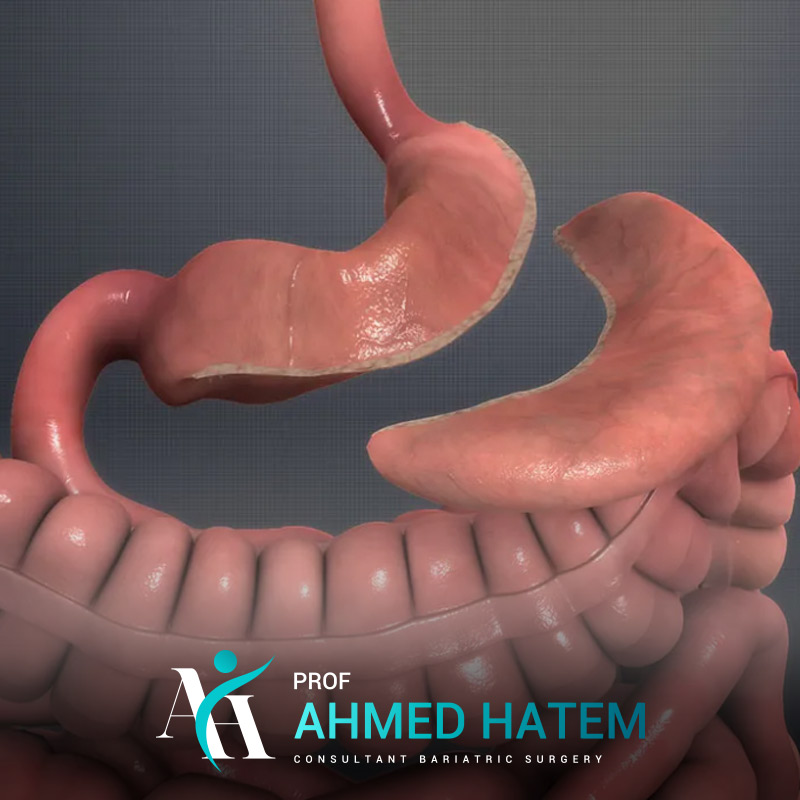
Gastric Sleeve is one of the most popular surgeries used to get rid of obesity. The idea is to remove the largest part of the stomach, where the remaining stomach becomes like a tube or sleeve in its shape, so it is called a sleeve. Gastric Sleeve reduces the size of the stomach and limits the amount of food that can be eaten; which drives the person to feel saturated faster, achieve weight loss, and reach the ideal weight.
How is Gastric Sleeve surgery done?
1- Gastric Sleeve surgery is performed using general or local anesthesia for the patient through the latest anesthesia machine provided by Dr. Ahmed Hatem, consultant of bariatric and endoscopic surgeries, to ensure complete safety.
2- Dr. Ahmed Hatem uses the most modern laparoscopic devices that allow performing the surgery through several small incisions in the abdomen or stomach area, not exceeding 5 incisions.
3- The surgery requires dividing the stomach into two unequal sections. About 80% of the exterior, curved part of the stomach is cut and removed. Then the remaining stomach is stapled and takes the shape of the banana.
4- The patient remains in the operating room for about an hour. Once the surgery is complete, he is then transferred to the recovery room for post-operative care for another hour, until he fully awakens from anesthesia. After 24 hours of surgery, the patient is able to return home.
5- Those small abdominal incisions heal quickly during the short recovery period due to their small size.
What are the advantages of laparoscopic Gastric Sleeve?
The patient enjoys multiple advantages after undergoing the Gastric Sleeve surgery with Dr. Ahmed Hatem, consultant of bariatric and laparoscopic surgeries, which benefits him in several points, the most important of which are the following:
1- The small-sized stomach and the increased person's sense of fullness prompt him not to resort to large quantities of foods, as he used to do in the past, which means consuming fewer calories.
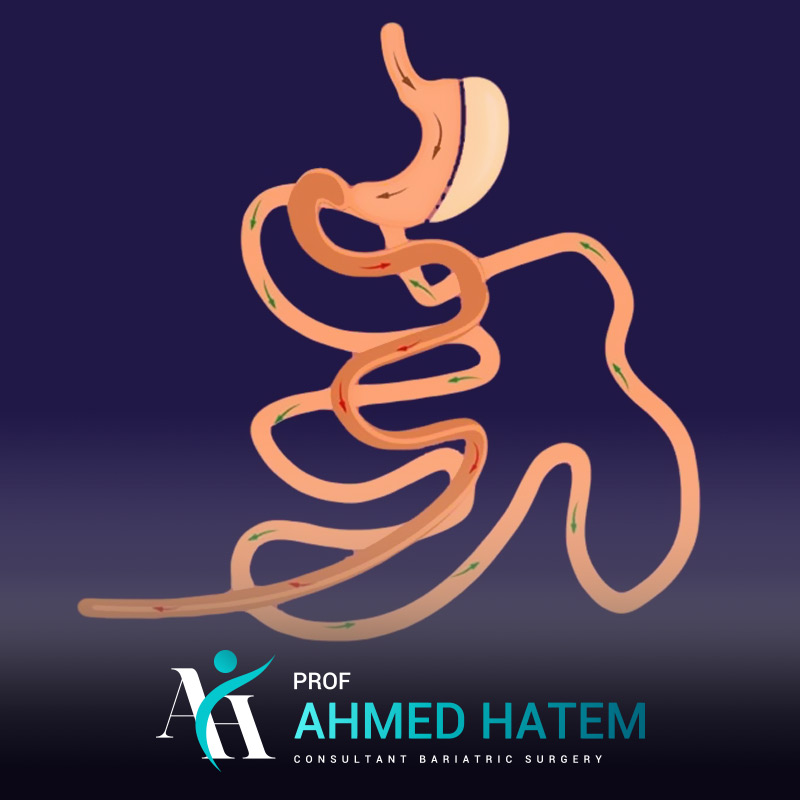
2- Laparoscopic Gastric Sleeve does not require cutting or reconnecting the intestine.
3- The stomach performs its function normally, which allows eating mostly different types of foods, but in smaller quantities.
4- Sleeve gastrectomy is a simple surgical procedure compared to Gastric Bypass.
5- Laparoscopic Gastric Sleeve involves removing the stomach part which contains cells that secrete the hormone ghrelin, or what is known as the hunger hormone, so the patient's sense of hunger diminishes.
How effective is the Gastric Sleeve?
You can expect to lose at least 60% of your excess weight within 18 months after Gastric Sleeve surgery. The patient usually loses 70 to 80% of his or her excess weight within two years of the surgery.
These ratios vary from person to person depending on the extent to which they follow the diet and exercise plan recommended by the surgeon. Also, healthy lifestyle changes help to maintain the ideal weight over the long term.
Weight loss benefits:
One of the main benefits of losing weight is reducing the risk of obesity-related health diseases, including type 2 diabetes, hypercholesterolemia, hypertension, and sleep apnea. Losing a significant amount of excess weight also improves the quality of life and makes it easier to perform many daily activities that were previously difficult to perform and enjoy.
Who is a good candidate for Gastric Sleeve surgery?
Bariatric surgery is the best option for people with severe obesity, when other serious attempts, such as diet, exercise habits, and weight-loss medications had not worked.
Also, the patient must meet several criteria to be eligible for the procedure. These criteria are based on the body mass index (BMI), which is person's weight in kilograms divided by the square of his height in meters, and determine whether he or she suffers from obesity-related diseases. Here are the cases that require bariatric surgery:
- Obesity cases with a BMI of 40 or above.
- Obesity cases with a BMI of 35 to 39 with at least one obesity-related condition.
- Gastric Sleeve surgery may sometimes be performed for patients who have a BMI less than 35 in the presence of a serious health illness related to their excess weight.
Are there risks or complications for Gastric Sleeve surgery?
Gastric Sleeve surgery is considered a safe procedure, but there are some risks and complications which may occur after any surgery. Also, Gastric Sleeve surgery can have additional complications if not carried out by the experienced surgeon, Dr. Ahmed Hatem, consultant of bariatric and laparoscopic surgeries, who started performing bariatric surgeries in 1998. Possible side effects include the following:
- Leakage of stomach fluids from the stapling line is avoided by Dr. Ahmed Hatem by performing a leak test during and after surgery. This test involves following a blue substance to determine the extent of its leakage from the stomach and taking the necessary measures to address the leak and prevent its occurrence in the future.
- The occurrence of more narrowing than the required in the part of the stomach that has been gagged, which may cause stomach blockage, and this cannot happen with the experience of Dr. Ahmed Hatem, which extends for 33 years.
- General weakness, hair fall, and the appearance of dark circles around the eyes may develop as a result of the lack of the required vitamins, due to the limited meals, but it can be compensated by the intake of multivitamins, calcium supplements, monthly B-12 injections, and others as recommended by the Dr. Ahmed Hatem, so such complications can be avoided.
- Gastrointestinal acidosis (GERD) occurs due to gastric remodeling, and it can usually be treated using the medicines prescribed by Dr. Ahmed Hatem.
- Regaining the lost weight due to the patient's failure to commit to the healthy diets, in terms of the type and quantity of food, and not following the specific exercise.
- The appearance of sagging, which becomes apparent with the loss of much weight in a short period, as a result of the excess skin that may remain with the loss of weight. But there is no need to be upset, drinking plenty of water and exercising will reduce these sagging and it can also be surgically removed if necessary, but after 24 months to ensure full body weight stabilization.
How will your diet change after Gastric Sleeve surgery?
The diet changes recommended by Dr. Ahmed Hatem aim to help you achieve and maintain the desired weight loss in the future. These changes include eating healthy diets before and after Gastric Sleeve surgery.
Pre-surgery dietary changes:
A specific diet is followed during the two weeks before the surgery, which is based on high protein intake while reducing carbohydrate intake and sugars.
Post-surgery dietary changes:
During the first days after the surgery, it is allowed to drink only clear liquids that are caffeine-free and sugar-free. You will gradually return to your regular and healthy food about a month after surgery.
If you are interested in undergoing Gastric Sleeve surgery and reducing your stomach size, you can take the consultation of Dr. Ahmed Hatem, a bariatric and laparoscopic consultant surgeon, who will help you to reach the ideal weight and get rid of obesity-related diseases.